
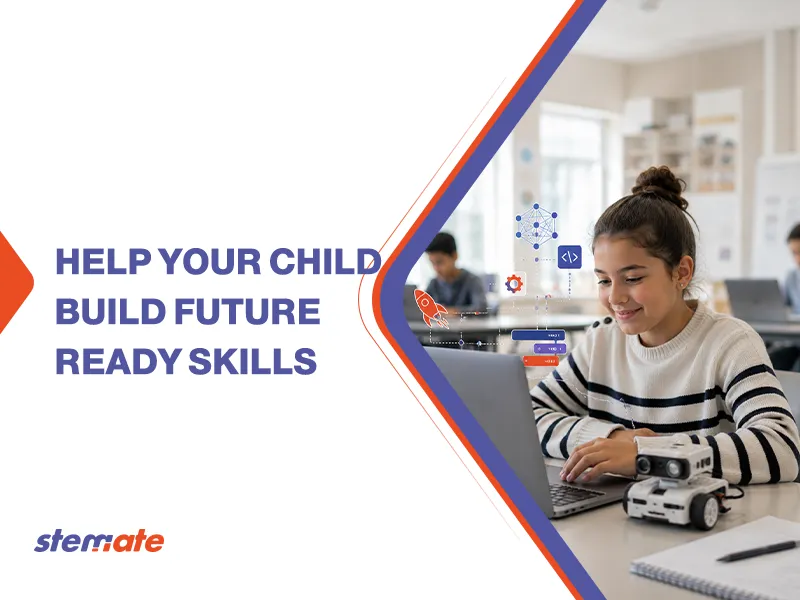
Learning Activities for Kids are intentional experiences that help children acquire new knowledge and skills through active participation, observation, and experimentation. These activities turn abstract concepts into tangible lessons by engaging a child’s senses and natural curiosity.
Education happens most effectively when children are not just watching, but doing. Whether it is a science experiment in the kitchen or a logic game on a tablet, the goal is to make the learning process feel like a natural extension of play. These experiences help the brain form stronger connections because they involve emotion, movement, and critical thinking.
Why Learning Activities Are Important for Kids?
Learning activities provide a structured environment for children to develop essential cognitive and physical skills through experience. They encourage children to explore their surroundings and understand how things work, which builds a foundation for academic achievement and personal growth.
1- Improve Problem-Solving Skills
Learning activities teach children how to analyze a situation and find a logical solution when things do not go as planned. These problem-solving activities help kids learn that there are often multiple ways to reach a goal.
Developing these skills early is vital for school and daily life:
- Persistence: Kids learn to keep trying different solutions until one works.
- Trial and Error: They understand that making a mistake is just part of finding the right answer.
- Logical Sequences: Activities often require children to follow steps in a specific order, which builds structural thinking.
2- Building Creativity Through Play-Based Learning
Play-based learning allows children to use their imagination to create new scenarios, tools, or stories while following a basic set of rules. These creative activities for kids help them think outside the box and find original ways to express themselves.
Creativity is not just about art; it is about finding new ways to use existing tools:
- Open-Ended Play: Giving a child blocks or clay without instructions lets them decide what to build.
- Narrative Design: Creating a game or a story helps children understand structure and theme.
- Innovation: Children often find “hacks” or new ways to play a game, which is the beginning of an innovative mindset.
3- Developing Communication and Social Skills
Group activities require children to share ideas, listen to others, and work together to achieve a shared objective. These interactive learning activities are essential for building emotional intelligence and teamwork.
Social development through activities includes:
- Sharing Resources: Learning how to take turns with tools and materials.
- Explaining Logic: When a child explains their idea to a friend, they are refining their communication skills.
- Conflict Resolution: Group projects often involve disagreements that children must learn to solve respectfully.
How Parents Can Make Learning Activities More Effective
Parents can enhance the learning process by providing the right resources and offering guidance without taking over the activity. Supporting brain development activities involves creating an environment where curiosity is celebrated and mistakes are seen as learning opportunities.
To make the most of these sessions, consider these strategies:
- Observe Interests: Pay attention to what your child naturally enjoys and find activities that match those passions.
- Ask Open-Ended Questions: Instead of giving the answer, ask “What do you think will happen if we do this?”
- Join the Process: Be a co-learner rather than a teacher. This makes the child feel like a partner in the exploration.
Read also about:
STEM Learning Activities for Kids
STEM activities for kids focus on integrated lessons in science, technology, engineering, and mathematics to solve real-world problems. These tasks help children develop a technical mindset by applying theoretical concepts to physical projects.
Easy Science Experiments at Home
Science experiments use everyday household items to demonstrate chemical reactions, physics, and biology in a visible and exciting way. These science activities for kids turn the kitchen or backyard into a laboratory.
Simple ideas include:
- Baking Soda Volcanoes: Teaching about acid-base reactions.
- Walking Water: Demonstrating capillary action using paper towels and food coloring.
- Density Jars: Layering different liquids like oil, water, and honey to see which is heavier.
Engineering Challenges for Young Learners
Engineering tasks require children to design and build structures that can withstand weight or perform a specific function. These hands-on learning activities build spatial awareness and structural logic.
Try these challenges:
- Spaghetti Towers: Build the tallest possible tower using only dry pasta and marshmallows.
- Bridge Building: Create a bridge out of popsicle sticks that can hold the weight of a toy car.
- Paper Planes: Experiment with different folds to see which design flies the farthest.
Math Games That Make Learning Fun
Math games remove the fear of numbers by turning arithmetic and geometry into competitive or cooperative play. These math learning activities help children see the practical value of calculations.
Fun math ideas:
- Fraction Pizza: Using cardboard slices to learn about parts of a whole.
- Dice Games: Practicing addition and subtraction by racing to reach a certain number.
- Measurement Hunt: Giving the child a ruler and asking them to find five things that are exactly ten centimeters long.
Robotics Activities for Kids
Robotics introduces the relationship between hardware and software by showing how code can control physical movements. These activities often involve building small machines or using kits that respond to simple commands.
Basic robotics includes:
- Brush Bots: Using a vibrating motor and a toothbrush head to create a tiny moving robot.
- Scribble Bots: Attaching markers to a moving motor to create generative art.
- Sensor Exploration: Using kits that react to light or touch to show how machines perceive their environment.
Coding Learning Activities for Kids
Coding activities for kids teach the language of computers through logic puzzles, visual blocks, and professional syntax. These tasks help children become digital creators who can build their own software and games.
Unplugged Coding Activities Without a Computer
Screen-free learning activities teach the logic of programming using physical movements, cards, or board games. This shows children that coding is a way of thinking that does not always require a device.
Unplugged ideas:
- The Human Robot: One person acts as the “robot,” and the other gives exact directions (e.g., “Take two steps, turn left”) to reach a goal.
- Binary Bracelets: Using two colors of beads to represent the 0s and 1s of computer language.
- Logic Puzzles: Using grid paper to “program” a path for a character using arrows.
Scratch Coding Projects for Beginners
Scratch is a visual platform that allows children to snap together blocks of code like LEGO to create animations and stories. It is one of the best kids’ coding games for introducing the concept of “loops” and “if-then” statements.
Beginner projects:
- Animate Your Name: Making each letter of a name change color or size when clicked.
- A Simple Chase Game: Coding a character to follow the mouse while avoiding an obstacle.
- Talking Characters: Creating a short dialogue between two digital sprites.
Game Development Activities for Kids
Game development allows children to design the rules, characters, and levels of their own digital worlds. These interactive learning activities keep children engaged because they are building something they can actually play and share with friends.
Game dev involves:
- Mechanics: Deciding how high a character can jump or how they earn points.
- Level Design: Creating the environment and obstacles the player must navigate.
- User Interface: Designing the buttons and menus that the player uses.
AI and Technology Activities for Children
AI activities introduce children to the world of machine learning for kids and how computers can recognize images, sounds, and text. These brain development activities help children understand the technology that powers the modern world.
Introductory AI tasks:
- Image Training: Using tools like “Teachable Machine” to show a computer the difference between a dog and a cat.
- Chatbot Design: Creating simple scripts that respond to specific words typed by the user.
- Pattern Recognition: Playing games that show how computers find patterns in large amounts of data.
Creative Learning Activities for Kids
Creative tasks focus on self-expression and fine motor skills by allowing children to build, draw, and tell stories. These creative activities for kids provide an emotional outlet and build artistic confidence.
Storytelling Challenges
Storytelling helps children develop their vocabulary and understanding of narrative structure through the spoken or written word. These educational games for kids can be done anywhere, making them great for travel or wait times.
Try these challenges:
- Story Stones: Painting icons on stones and picking three at random to start a story.
- Finish the Sentence: One person starts a story, and the next person adds one sentence to keep it going.
- Picture Prompts: Looking at a random photo and describing what happened right before the picture was taken.
Art and Design Projects
Art projects encourage children to experiment with different techniques to create something unique. These fun learning activities teach children that there is no “wrong” way to be creative.
Project ideas:
- Nature Collages: Gathering leaves and twigs to create a portrait.
- Color Mixing: Using primary colors to discover how to make every other color in the rainbow.
- Recycled Sculptures: Building a robot or a castle out of cardboard boxes and plastic bottles.
DIY Educational Crafts
DIY crafts turn learning into a physical object that the child can keep and use. These hands-on learning activities often combine art with math or science.
Craft ideas:
- Solar System Models: Using different-sized balls to represent the planets.
- Handmade Sundials: Learning about time and the movement of the sun.
- Weather Stations: Building a simple rain gauge or wind vane to observe the weather.
Learning Activities by Age Group
Activities should be tailored to a child’s developmental stage to ensure they are both challenging and achievable. Matching the task to the age group ensures that learning games for children remain effective and engaging.
Learning Activities for Preschoolers (Ages 4–6)
Preschoolers learn best through sensory play and simple logic games that focus on colors, shapes, and basic sequences. These preschool learning activities build the foundation for reading and math.
Best tasks for this age:
- Sensory Bins: Hiding objects in rice or sand for the child to find.
- Sorting Games: Grouping objects by color, size, or shape.
- Simple Puzzles: Using blocks to build basic patterns.
Learning Activities for Kids (Ages 7–10)
Children in elementary school can handle more complex instructions and multi-step projects. These elementary learning activities focus on building independence and deeper subject knowledge.
Ideal tasks:
- Board Game Design: Creating the rules and board for their own game.
- Basic Coding: Starting with visual blocks to build animations.
- Kitchen Chemistry: Doing experiments that result in something edible, like making butter or rock candy.
Learning Activities for Teens (Ages 11–16)
Teens need projects that feel “real” and have a professional application, such as building websites or designing robots. These after-school activities help them prepare for higher education and future careers.
Advanced tasks:
- Web Development: Learning HTML and CSS to build a personal blog.
- Data Analysis: Using spreadsheets to track a personal budget or sports stats.
- App Design: Prototyping a mobile app that solves a specific problem.
Know more about: The best age for learning coding for kids
Indoor Learning Activities for Kids
Indoor learning activities use the home environment to keep children engaged when they cannot go outside. These tasks prove that learning can happen anywhere with simple household items.
Rainy Day Educational Games
Rainy days are perfect for long-form games that require focus and strategy. These learning games for children turn a “boring” day into an adventure of the mind.
Games to play:
- Chess or Checkers: Teaching strategy and foresight.
- Memory Games: Improving focus and visual recall.
- Trivia Challenges: Testing knowledge on topics like history, animals, or space.
Printable Learning Activities
Printables provide a structured way for children to practice writing, drawing, and logic on paper. These educational activities for kids are great for quiet time or traveling.
Common printables:
- Mazes: Developing spatial reasoning and fine motor control.
- Word Searches: Improving spelling and vocabulary.
- Coding Worksheets: Practicing the logic of “if-then” statements through pen and paper puzzles.
Family Learning Challenges
Family challenges turn education into a cooperative effort where everyone works together to solve a problem. These interactive learning activities build strong bonds and show children that learning is a lifelong process.
Family ideas:
- The No-Tech Evening: Spending one night doing only board games, storytelling, and physical puzzles.
- Cooking Together: Learning about measurements and chemistry by following a recipe.
- The Great Build: Working together to build a massive cardboard city or a marble run.
Structured Learning Activities That Help Kids Build Future Skills
Structured activities follow a clear path of difficulty, ensuring that children gain a deep understanding of a subject. These tasks are essential for Learning Problem-Solving Skills for Kids that will be used in the professional world.
Coding Activities That Develop Problem-Solving Skills
Coding forces children to be precise and to think ahead, which are two of the most important traits of a good problem solver. These coding activities for kids show them how to navigate complex systems.
Key skills developed:
- Systematic Thinking: Understanding how one change affects the whole program.
- Patience: Staying focused until a bug is found and fixed.
- Strategic Planning: Thinking three steps ahead to achieve a goal.
STEM Projects That Encourage Innovation
STEM projects require children to come up with new ways to use materials to reach an objective. These STEM activities for kids are the foundation of an innovative and entrepreneurial mindset.
Innovation happens through:
- Resourcefulness: Using limited materials to build a working prototype.
- Testing and Re-testing: Learning that the first design is just a starting point.
- Creative Construction: Finding new uses for old items.
Game Development Activities for Creative Thinking
Designing a game requires a child to balance the logic of the code with the creativity of the story and art. These creative activities for kids help them understand how to build products that people will enjoy.
Creative thinking involves:
- Empathy: Thinking about how the player will feel while playing the game.
- Aesthetics: Choosing colors and sounds that match the game’s mood.
- Game Balance: Making sure the game is not too easy or too hard.
Technology Activities That Prepare Kids for Future Careers
Technology activities familiarize children with the tools they will use in the professional world. These interactive learning activities provide a competitive edge by making technical literacy a natural skill.
Career prep includes:
- Digital Literacy: Being comfortable with various types of software and hardware.
- Technical Communication: Learning how to explain a technical process to others.
- Data Fluency: Understanding how to read and use digital information.
How STEM and Coding Activities Prepare Kids for Future Careers
These activities provide the technical foundation and cognitive flexibility needed for careers in engineering, data science, and AI. By focusing on STEM learning activities for kids, you are preparing them for a workforce that values innovation and technical skill.
1- Computational Thinking Skills
Computational thinking involves breaking down problems and designing step-by-step solutions that a computer (or a human) can follow. This skill is useful in every career, from law to medicine.
This includes:
- Pattern Recognition: Finding similarities between different problems.
- Abstraction: Focusing on the most important information and ignoring the rest.
- Algorithms: Designing the specific steps to reach a solution.
2- Artificial Intelligence Fundamentals
Understanding the basics of AI helps children navigate a world where machine learning is part of everyday life. These brain development activities ensure they are not just users of AI, but informed creators.
Core AI concepts:
- Data Sets: Understanding how computers learn from examples.
- Predictions: Seeing how AI guesses the next word or identifies an image.
- Ethics: Discussing how AI should be used responsibly.
3- Future Technology Careers
The demand for developers, data scientists, and robotics engineers is growing rapidly every year. Early exposure through learning activities for kids ensures that your child is ready to seize these high-paying and rewarding opportunities.
Career paths include:
- Software Engineering: Building the apps and systems we use every day.
- Environmental Engineering: Using STEM to solve climate and energy problems.
- Digital Design: Creating the visual interfaces for the future web.
Explore our courses today and register your kids!
FAQ
What are the best learning activities for kids at home?
The best activities are those that use common household items to teach logic and creativity, such as kitchen science experiments, building forts for engineering, or “unplugged” coding games using grid paper and physical movement.
How do learning activities help child development?
They stimulate brain growth by requiring the child to apply logic, use fine motor skills, and solve problems. These activities also build confidence and emotional resilience as children learn to overcome challenges independently.
What are the best STEM learning activities for kids?
Effective STEM activities include bridge building with popsicle sticks, making “slime” to learn about polymers, or using visual coding blocks to create a simple interactive story or game.