
How to Integrate Coding into Children’s Daily Activities
Coding into Children’s Daily Activities is becoming more important as technology shapes every part of our world, making learning to code as essential as reading and writing. Coding doesn’t have to stay inside a classroom or computer lab. One of the most effective ways to teach children programming is by blending it naturally into their daily routines.
At Stemate, we believe in coding in daily life for kids, making it playful, engaging, and part of everyday experiences that integrate Coding into Children’s Daily Activities.
What Is Meant by Integrating Coding into Children’s Daily Activities?
Integrating coding into children’s daily activities means using everyday moments—like playing, organizing toys, solving puzzles, or even baking, to introduce basic coding principles. It involves:
- Coding through play
- Daily programming activities
- Tech-based daily routines
- Hands-on coding with routine
Rather than formal lessons, this approach allows kids to understand logic, sequencing, and problem-solving through simple and familiar tasks.
Why Is It Important to Integrate Coding into Kids’ Daily Life?
Teaching coding through daily life has multiple benefits:
- It keeps kids actively engaged
- It shows how coding applies to real life
- It removes the pressure of “learning a hard subject”
- It supports flexible learning for young coders
- It strengthens child development through tech
When coding becomes a natural part of their world, kids build tech skills in a stress-free and intuitive way.
How Can Everyday Routines Become Coding Opportunities?
You’d be surprised how many household routines can become coding lessons. Consider these ideas:
- Morning routines (getting dressed, packing bags): Use sequencing to explain order of tasks
- Tidying up toys: Grouping items by category introduces the idea of “arrays” or “sorting”
- Cooking with parents: Teaches step-by-step instructions (algorithms!)
- Playing board games: Builds logic and pattern recognition
- Storytelling: Encourages conditional thinking (“If this happens, then that…”)
This method supports Coding into Children’s Daily Activities, helping children learn coding while doing daily tasks and turning boring chores into exciting logic challenges.
What Tools and Activities Help Teach Coding Informally?
Here are tools and resources that support interactive code learning daily without needing screens or programming languages:
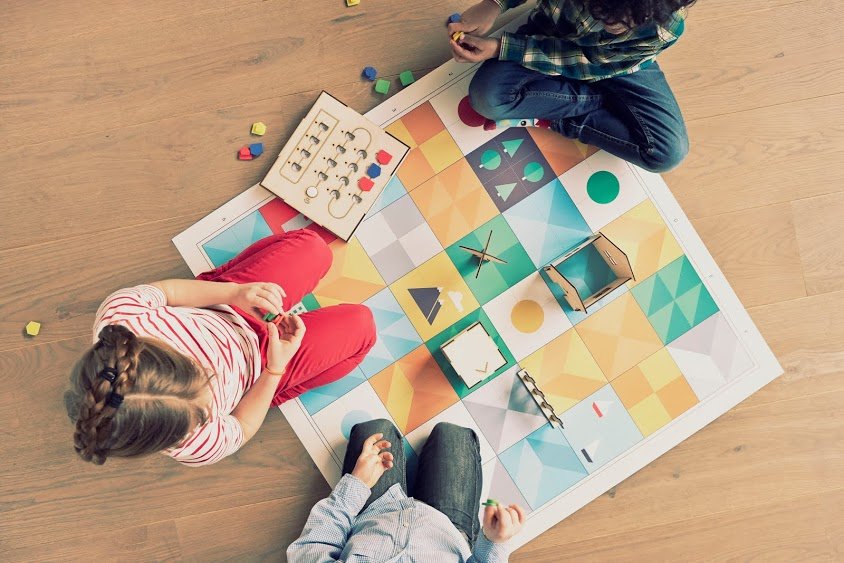
- Coding board games like Robot Turtles and Code & Go Mouse
- Printable logic puzzles and unplugged coding worksheets
- LEGO bricks used to model loops or build instructions
- ScratchJr and Tynker apps for guided digital exploration
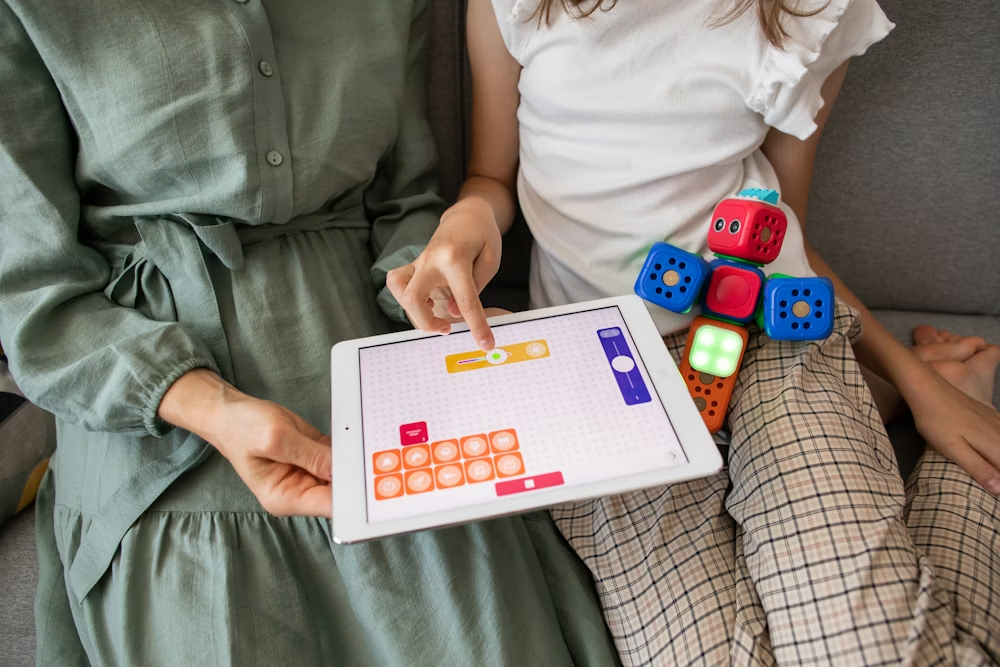
- Smart toys that combine movement and logic (like Cubetto or Osmo)
At Stemate, we also offer home coding engagement guides for parents to encourage learning through tech-infused routines.
Practical Examples of Coding in Home and School Activities
Let’s explore real scenarios where Coding into Children’s Daily Activities blends naturally with everyday life:
Set the Table (Sequencing)
Teach kids to arrange forks, plates, and cups in a specific order. Ask: “What if we did it backward?” This builds algorithmic thinking.
Build a Sandwich (Step-by-step Logic)
Each ingredient is a line of code. What happens if we forget one? This introduces the importance of writing complete and accurate instructions.
Treasure Hunt (Conditional Commands)
“If you find the red box, go left. If not, go right.” This mirrors “if-else” logic in programming.
Laundry Sorting (Categorizing Data)
Colors, sizes, or fabric types = different categories. This helps kids understand how computers handle and sort information.
Coding Story Time (Loops & Decisions)
Make up stories with commands: “Clap 3 times,” “If you hear ‘robot,’ jump!” This builds repetition and condition skills in a playful format.
Such everyday coding experiences help children learn logic naturally—without needing a computer.
How Do These Practices Enhance Logical and Creative Thinking?
Daily coding activities help children develop a problem-solving mindset. Here’s how:
- Logical thinking: Kids learn to break problems into smaller steps and follow a process
- Creativity: Through coding and creativity for kids, they express themselves using technology
- Confidence: Completing small coding tasks builds self-esteem
- Adaptability: Children who learn to code become flexible thinkers, ready to handle complex challenges later
With simple coding tasks for children, learning becomes less about memorization and more about exploration.
FAQs About Coding into Children’s Daily Activities
At what age can I start introducing coding through daily routines?
You can start as early as age 4 or 5 using simple logic games, storytelling, and sorting tasks.
Do I need a background in programming to teach my child this way?
Not at all! These activities focus on concepts like order, logic, and patterns, which don’t require technical knowledge.
Can these activities replace formal coding lessons?
Coding into Children’s Daily Activities helps kids build a natural understanding of programming concepts. They’re a great complement. Use daily activities to build understanding, then enroll in structured programs like those offered by Stemate for deeper learning and to reinforce Coding into Children’s Daily Activities
Are there tools that help integrate coding at home?
Yes. Try coding games, printable activities, smart toys, and beginner-friendly apps like ScratchJr.
How do I track my child’s progress?
Watch for increased curiosity, better problem-solving skills, and the ability to follow instructions logically.
Integrating coding into children’s daily activities is one of the easiest -and most powerful- ways to nurture a child’s tech skills and critical thinking abilities. With just a few changes to your everyday routine, you can turn ordinary moments into rich learning opportunities.
At Stemate, we support families with resources, tools, and tech-based learning experiences that make coding part of everyday life. Whether it’s through cooking, play, or storytelling, your child can start building future-ready skills today.
Want to make coding a natural part of your child’s world?
Explore our learning resources and interactive STEM programs to bring tech education home, one fun task at a time.