
Fun and Creative Robot Education for Children | Stemate
Have you ever wondered how a simple robot-building experience could transform your child’s future?
In today’s technology-driven world, teaching children robotics is not just a trend, it’s an essential foundation for developing critical skills. Let’s explore why Robot Education for Children is a game-changer and how platforms like Stemate make it fun, easy, and truly inspiring.
What is Robotics Education for Kids?
Robotics for kids refers to specially designed educational programs that introduce young learners to the basics of building, programming, and understanding robots.
Using robotics kits for children and interactive activities, kids can create their mini-robots, learn coding logic, and solve real-world problems creatively.
Robot Education for Children blends multiple disciplines, including science, technology, engineering, and mathematics (STEM robotics classes) into exciting hands-on experiences suitable for children as young as 6 years old.
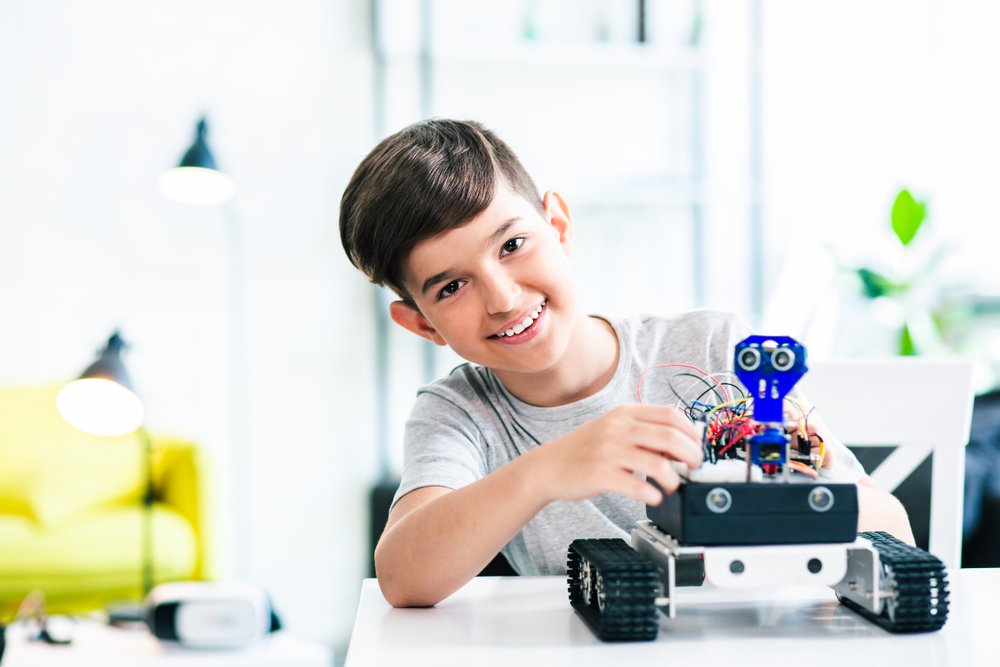
Why is Learning Robotics Important for Children?
The value of Robot Education for Children is immense:
- Building Critical Future Skills: Through robotics, kids learn vital 21st-century skills like coding, problem-solving, logical thinking, and creativity.
- Boosting Confidence and Independence: When a child can build their robot, it gives them a powerful sense of achievement.
- Encouraging Curiosity and Innovation: Tinkering with robots fuels curiosity, teaching kids to ask questions and find innovative solutions.
- Enhancing Digital Literacy: With the world moving toward AI and automation, AI and robotics for children’s education prepare kids to thrive in future tech-driven careers.
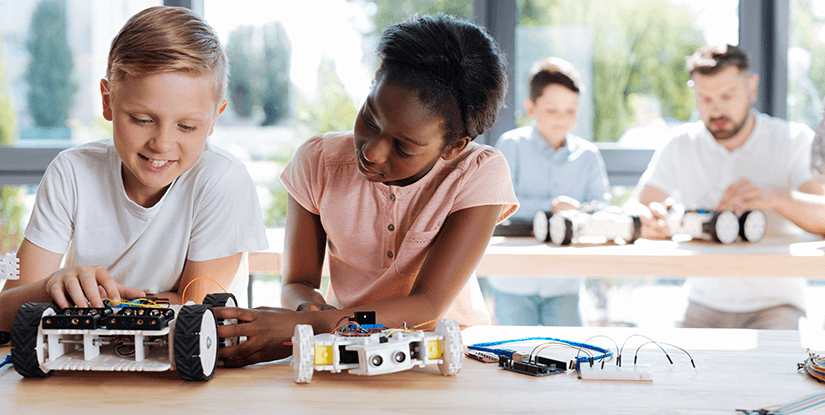
- Promoting Collaborative Learning: Many interactive robotics workshops involve teamwork, improving children’s communication and collaboration skills.
What Skills Do Kids Gain from Robotics Education?
Through robot programming for beginners, children develop a broad set of cognitive and technical skills directly attributable to Robot Education for Children, including:
- Logical Thinking: Teaching logic through robotics helps kids learn how to structure problems and find solutions step-by-step.
- Coding and Programming Skills: From robot coding games to simple code scripts, children start playfully understanding programming fundamentals.
- Creative Problem-Solving: Children face design and programming challenges that sharpen their creative thinking.
- Hands-on Technical Skills: Hands-on robotics learning teaches children how to assemble, wire, and code robots, enhancing both fine motor and technical abilities.
- Digital Thinking and Innovation: By engaging in digital thinking with robotics, kids learn to connect abstract ideas with tangible outcomes.
How Can a Child Start Learning to Program Robots?
Getting started with Robot Education for Children is much easier — and more exciting — than you might think! Here’s how:
- Enroll in Kids Robotics Courses: Start with age-appropriate STEM robotics classes that offer a structured path from basics to advanced levels.
- Use Child-Friendly Robotics Kits: Products like LEGO Mindstorms, mBot, or custom educational robots for kids are excellent for beginners.
- Participate in Workshops: Interactive robotics workshops provide valuable practical exposure and foster a community spirit.
- Choose Beginner-Friendly Coding Platforms: Visual programming platforms like Scratch, Blockly, or Makeblock are perfect for kids to learn robotics and coding.
- Encourage Independent Projects: Motivate your child to embark on kid-friendly robot projects to unleash creativity and innovation at home.
What Are the Best Tools and Platforms for Robotics Learning?
Several excellent platforms and tools support children’s journey into the world of Robot Education for Children:
Stemate’s Robotics Programs
Offering customized robotics platforms for young learners, Stemate blends technology and fun in perfect balance.
- LEGO Robotics Kits: Ideal for younger children to develop building and basic coding skills.
- Arduino Starter Kits: Suitable for slightly older kids who want a deeper dive into programming and electronics.
- Tynker and Scratch: Top platforms for introducing robot programming for beginners through visual, block-based coding.
- Roblox Studio: An engaging platform to teach kids about both gaming and coding elements combined.
- Each tool or platform provides a unique gateway into the fascinating world of tech and innovation.
FAQs About Teaching Robotics to Kids
At what age can a child start learning robotics?
Children as young as 6 can begin with basic robotics for kids programs, using simple kits and visual programming tools, making Robot Education for Children accessible early on.
Is robotics education too complex for kids?
Not! Courses like those offered by Stemate are designed to simplify complex ideas and teach them in a fun, accessible way.
How much coding knowledge does a child need before learning robotics?
None! Robot Education for Children often introduces basic coding concepts naturally through hands-on robotics learning activities.
What if my child prefers creativity over technology?
Robotics fosters both! Building and programming robots involves creativity, design, storytelling, and innovation, perfect for all interests.
In today’s dynamic world, teaching your child robotics is like handing them the keys to an exciting future full of possibilities. Through Robot Education for Children, kids not only learn valuable technical skills but also develop critical thinking, creativity, and a love for innovation.
At Stemate, we bring the magic of robotics to life through interactive, engaging, and highly practical programs tailored for children aged 6 to 15. Start your child’s robotics journey today with Stemate and watch their future take shape! Enroll Now.